
Results
The results of the LIFE Cerceta Pardilla project (2021–2026) reflect the progress achieved in research, habitat conservation, social engagement and international cooperation. These actions have contributed to improving scientific knowledge of the species, strengthening its populations and enhancing the ecosystems it inhabits: wetlands. The main achievements of the project are summarised below. The detailed results can be found in the Layman report.
Main achievements
- More than 3,600 hectares of wetlands restored
- Over 3,700 marbled teals bred in captivity and released into the wild
- Improved knowledge of the species
- 15 land stewardship agreements
- Record of 172 breeding pairs in 2025
- The species is breeding again in the Region of Murcia
Research
Genetic studies and monitoring
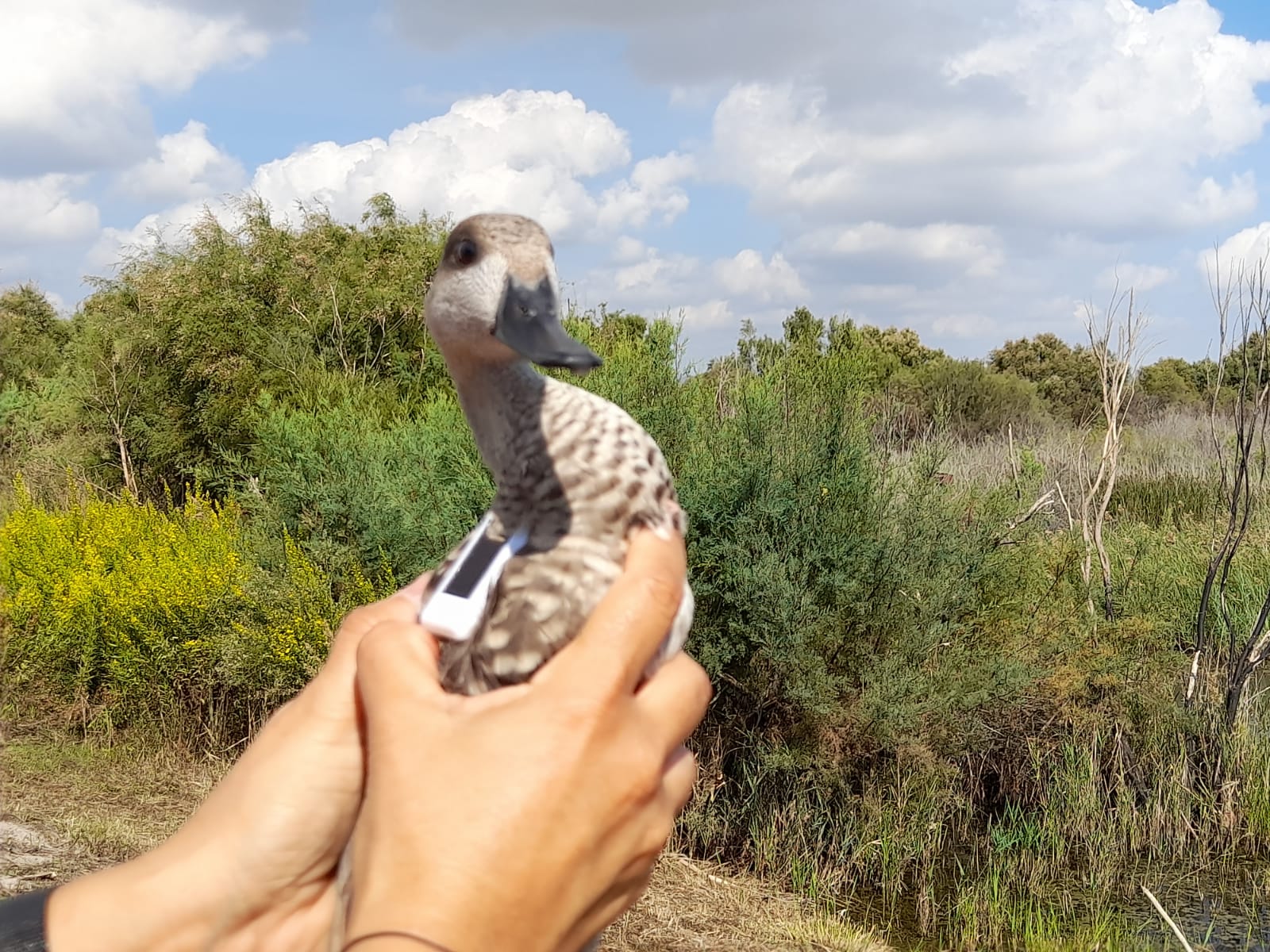
The project has strengthened scientific knowledge of the species through genetic studies and monitoring programmes. The Assessment of genetic variability and structure of captive and wild marbled teal populations confirmed that the Spanish population maintains adequate genetic diversity and has provided guidance for the captive breeding programme.
In addition, annual censuses and the monitoring of marked individuals have improved understanding of movements, habitat use and survival rates. More than 60 wetlands used by the marbled teal have been identified, and the adaptation of captive-bred individuals after their release has been assessed.
Conservation
Habitat
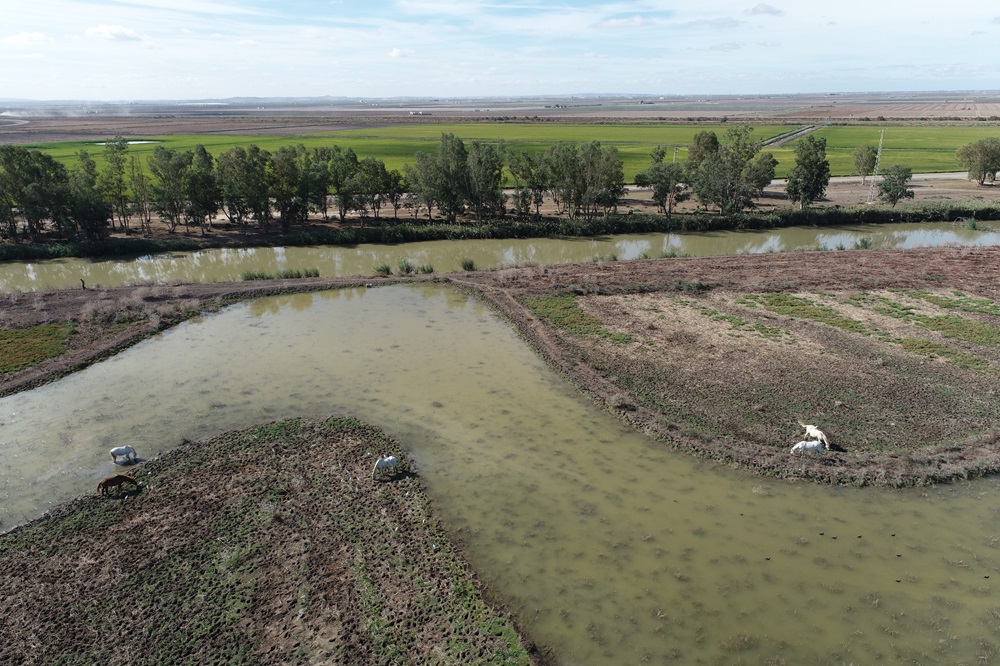
Conservation actions have enabled the restoration and improvement of habitat across more than 3,600 hectares of wetlands in Andalusia, the Valencian Community and the Region of Murcia. Measures such as water management, vegetation control and the creation of flooded areas have been guided by the technical criteria set out in the Good Practice Guide for Habitat Management of the Marbled Teal.
The project has also incorporated innovative management tools, such as the use of virtual fencing for grazing management in wetlands.
Threat control
Measures have been implemented to address accidental hunting, including the creation of a technical coordination working group in Andalusia to combat poaching. Partnerships have also been established with local hunting associations and the Andalusian Hunting Federation to promote awareness within the sector and encourage its support for marbled teal conservation measures.
Actions have also been taken to reduce predation and diseases associated with poor water quality. Within this framework, the project has developed and made available to public authorities the Botulism Prevention and Control Protocol and the Cyanobacteria Prevention and Control Protocol, strengthening response capacity to critical events in wetlands.
Captive breeding
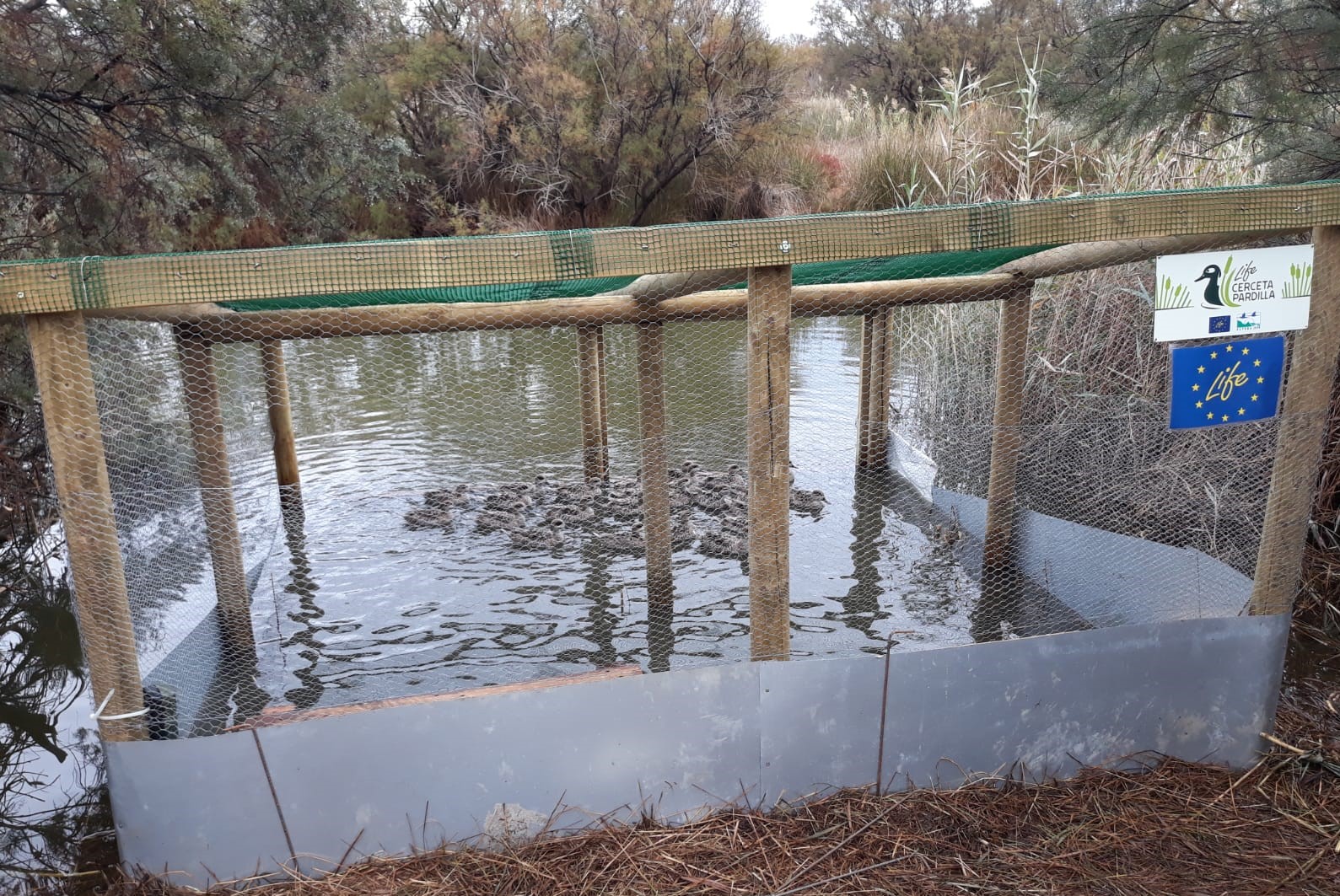
In line with the Ex situ Conservation Programme for the Marbled Teal, more than 3,700 individuals have been released into key wetlands across Spain, far exceeding the initial targets. The breeding programme has involved collaboration with several reference breeding centres and has included the installation of nest boxes to provide safe nesting substrates, as well as the construction of hacking fences to support soft release of individuals.
The project has also contributed to population reinforcement efforts in other western Mediterranean countries, such as Italy and Portugal.
Social dimension
Land stewardship
A land stewardship programme has been developed to involve public and private landowners and users in the protection of the marbled teal and its environment, achieving 15 stewardship agreements in key wetlands in the Valencian Community, the Region of Murcia, Andalusia and the Community of Madrid.
In addition, the Government of Andalusia has established collaboration agreements with the Irrigation Community and the Central Board of Rice Growers of the Left Bank of the Guadalquivir for the management of the restored area within the Brazo del Este Natural Park. This network of partnerships has strengthened habitat management and conservation for the species.
Awareness-raising and education
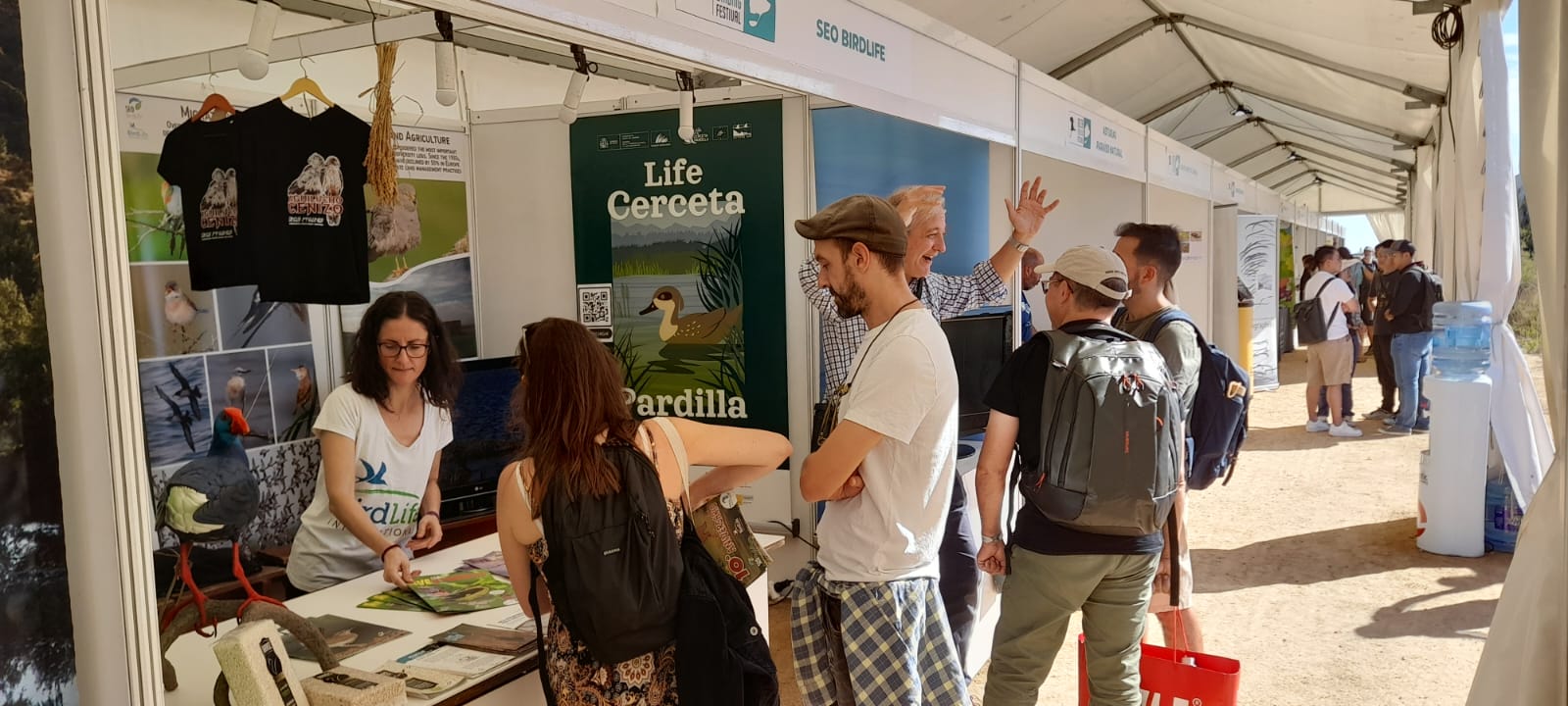
The project has organised more than 56 volunteer events, 11 sector-specific seminars, and 145 educational activities in schools, involving over 4,600 students. The travelling exhibition has been viewed by more than 150,000 people, and extensive outreach and communication materials have been produced, generating nearly 1,800 media impacts and more than 600 social media posts.
Among these materials is the Good Practice Manual for Birdwatching Tourism in Wetlands.
International cooperation
The project has strengthened cross-border cooperation for scientific data exchange and monitoring of the marbled teal with partners in Portugal, Italy, France, Morocco, Algeria and Tunisia. Censuses have been carried out in North African countries during both the breeding and wintering periods, providing key information on western Mediterranean populations and their interrelationships.